Balaclava vs Ski Mask: All You Need To Know
Content
Introduction
Ⅰ.What is balaclava?
Ⅱ.What is ski mask?
Ⅲ.Balaclava vs Ski Mask Comparison Chart
Ⅳ.Correct Washing & Maintenance Methods for Balaclava & Ski Mask
2. Special Care Tips for Different Materials
Ⅴ.Correct Wearing Ways of Balaclava & Ski Mask
Ⅵ.Conclusion: Which Is Better, Balaclava or Ski Mask? How to Choose?
1.Choose Balaclava if you need the following
2.Choose Ski Mask if you need the following
Introduction
When it comes to winter skiing, cycling, daily commuting or outdoor adventures, keeping your head and face warm and protected is essential. Many people get confused between a balaclava and a ski mask when choosing warm face coverings. Though they both look like full-face thermal gear, what exactly are their differences and which one should you pick? This blog will fully clarify all distinctions between them. We cover definitions, practical uses, product details, cleaning care, wearing methods and selection tips in one go, helping beginners easily find the right warm headwear.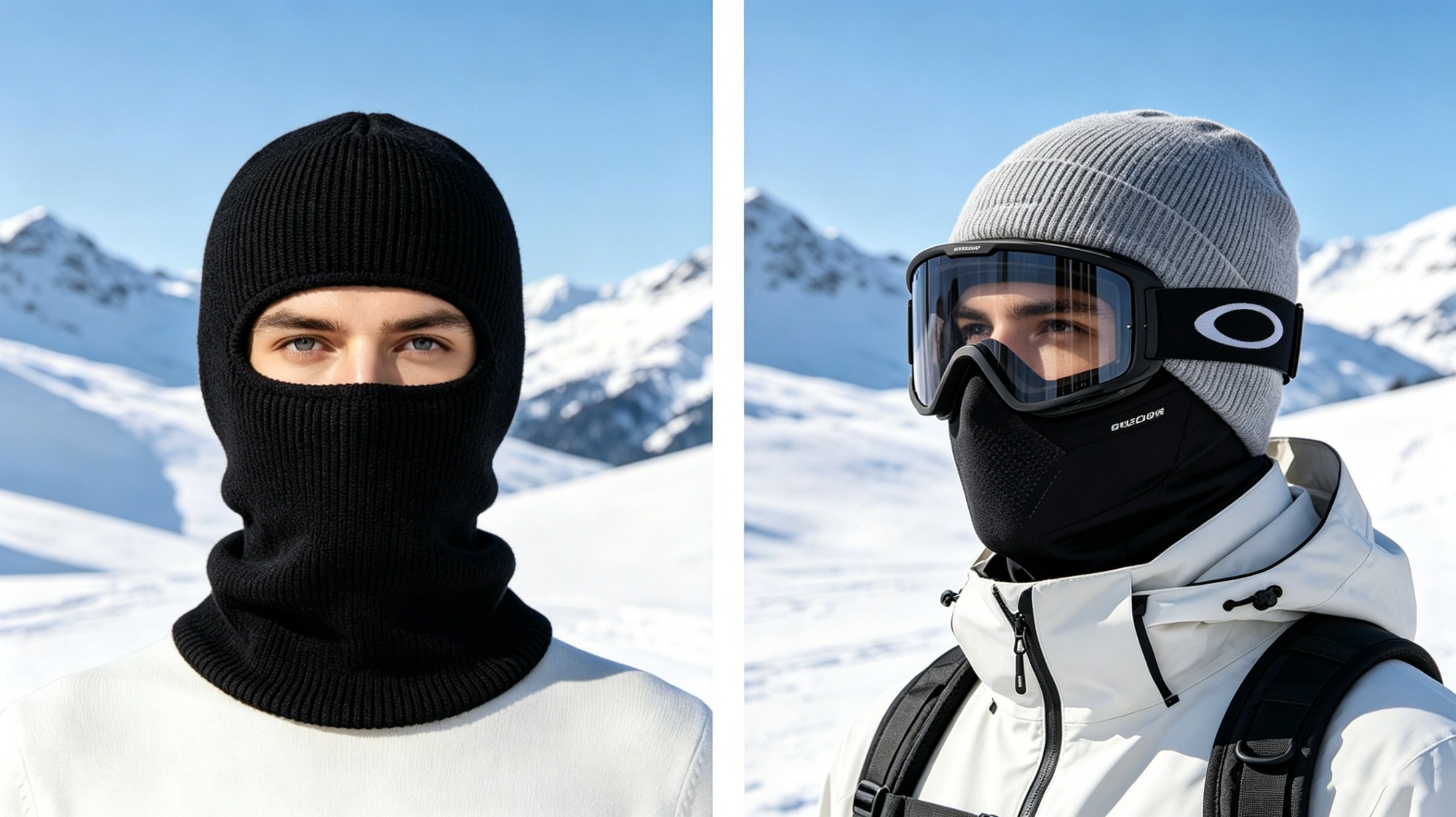
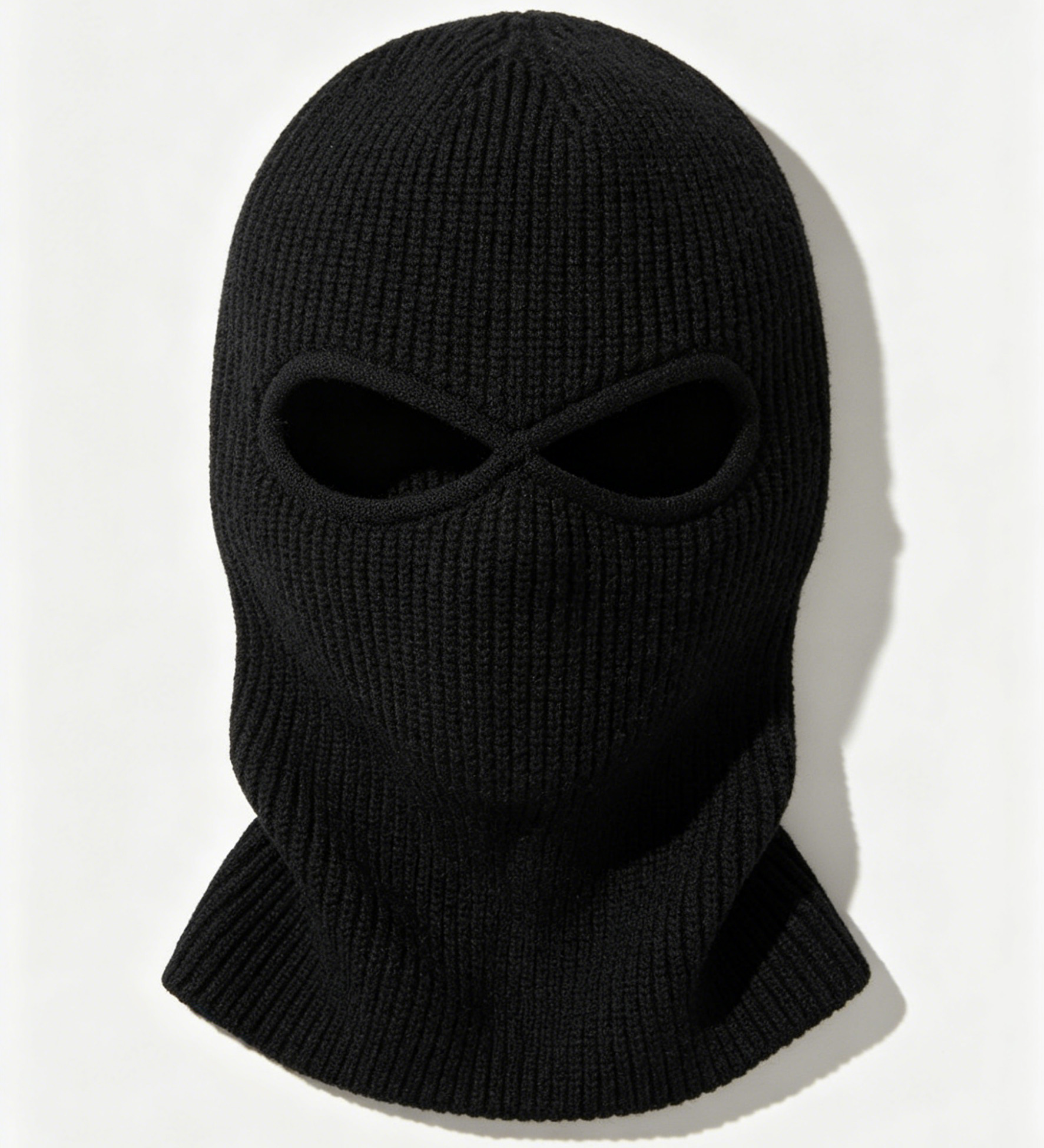
The balaclava originated during the Crimean War in the mid-19th century. British soldiers fought near the town of Balaclava and wore this knitted head covering to withstand bitter cold, hence the name.
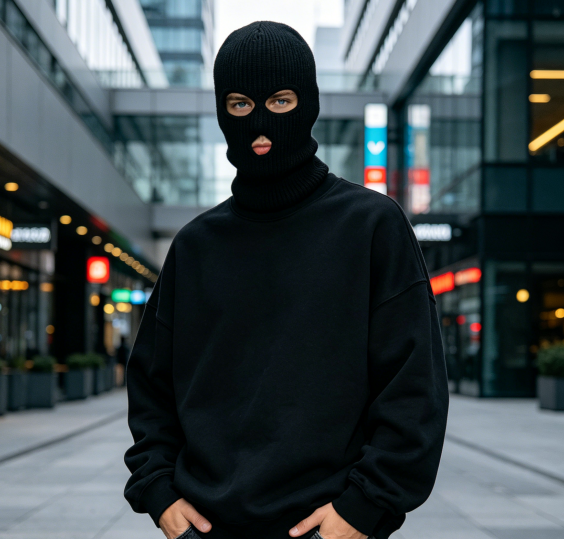
It is a full-head wrap-around protective gear that fully covers the head, neck and most of the face, usually leaving only the eyes exposed. Some styles feature openings for the mouth and nose, and can be freely folded and adjusted.
Traditionally woven from wool, modern balaclavas adopt various materials including cotton, polyester, fleece and neoprene, delivering excellent warmth, breathability and wind resistance.
It boasts versatile applications. Apart from outdoor winter warmth, it is widely used in racing, military affairs, firefighting, electrician work and more, and has even become a trendy fashion item.
Common styles include full-face designs that only reveal eyes and half-face styles exposing the forehead, mouth and nose. Many can be folded into hats or neck gaiters, offering great practicality and flexibility to fit diverse scenarios and dressing styles.
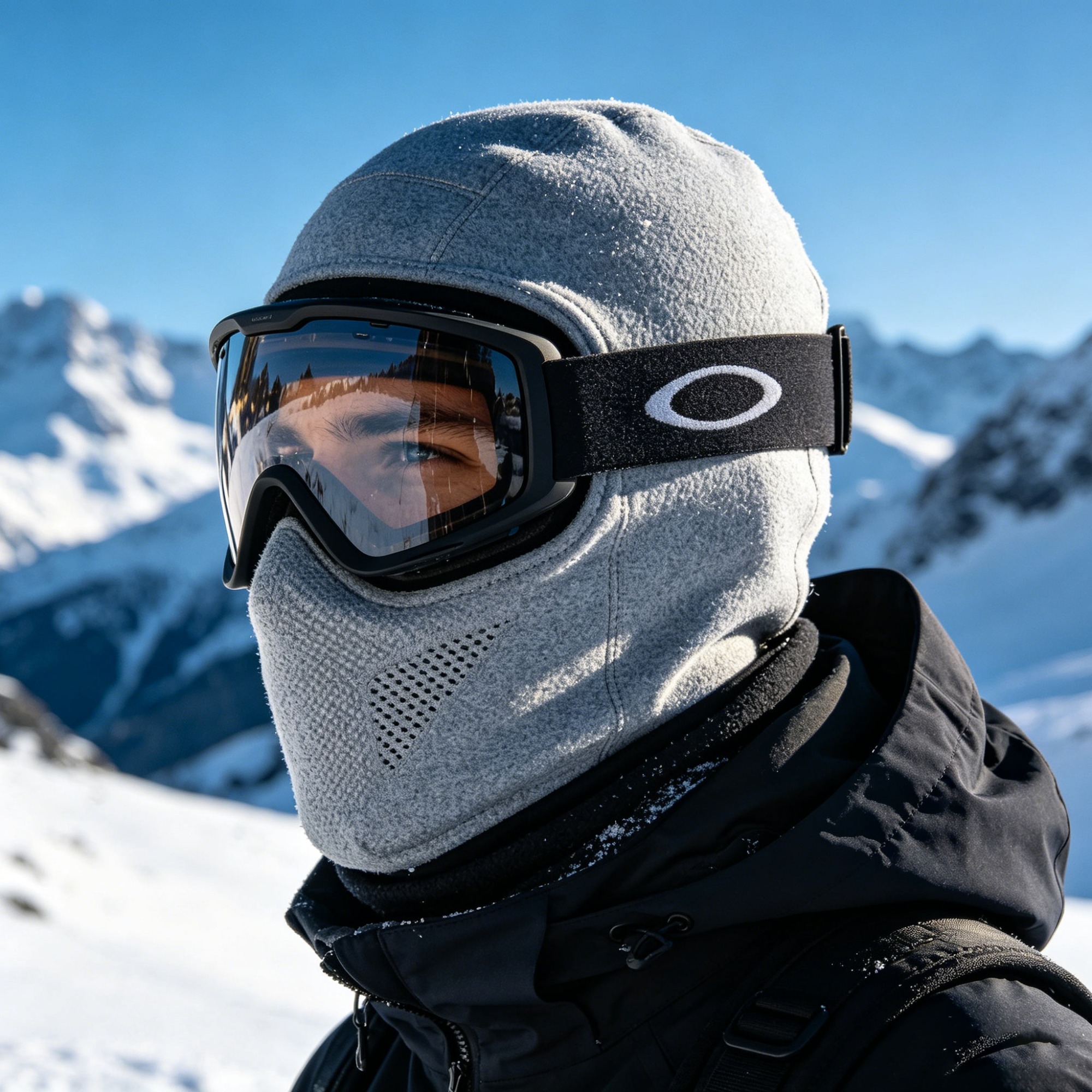
As its name suggests, a ski mask is specially designed exclusively for skiing. It is professional facial protection gear tailored for skiing, snowboarding and other snow sports.Its core feature is targeted protection. It mainly covers the chin, mouth, nose and cheeks without wrapping the forehead and top of the head, making it easy to match with ski helmets and goggles.Made of windproof, waterproof and breathable functional fabrics, most ski masks come with warm fleece lining. Equipped with ventilation holes and one-way air vents, they prevent fogging on ski goggles caused by exhaled heat, while shielding users from severe cold, wind, snow and strong ultraviolet reflection on snowfields.
Ergonomic 3D cutting fits facial contours perfectly. Adjustable headbands and silicone anti-slip strips stop slipping and air leakage during high-speed skiing, and fit seamlessly with helmets and goggles without blocking sight or squeezing ears.
There are adult and kids versions available. Kids ski masks adopt softer materials for better collision protection, and are fitted with light brown lenses to ensure clear vision.

Ⅲ.Balaclava vs Ski Mask Comparison Chart
|
Comparison Dimensions |
Balaclava |
Ski Mask |
|
Product Definition |
Full-head wrapped protective hood, originated from military cold protection with wide-ranging uses |
Partial facial protective mask exclusively designed for skiing, dedicated to snow sports |
|
Coverage Range |
Covers head, neck and most part of the face (eyes/mouth & nose can be exposed) with full coverage |
Covers chin, mouth, nose and cheeks; does not wrap forehead and top of head, perfect for matching helmets |
|
Material Features |
Made of wool, cotton, polyester fiber, fleece etc., focusing on warmth, air permeability and multi-scene adaptability |
Adopts windproof, waterproof and breathable functional fabrics with fleece lining and vents, featured with anti-fog design |
|
Design Details |
Foldable into hats or neck gaiters, available in full-face and half-face styles, easy to match outfits |
Ergonomic 3D cutting, anti-slip strips and adjustable headbands, fits helmets and ski goggles seamlessly |
|
Applicable Scenarios |
All winter outdoor activities, daily commuting, military use and fashion matching |
Exclusive for ski resorts and snow sports, low practicality for daily wear |
|
Price Range |
Tens to hundreds of yuan, varied greatly by materials and designs |
Mostly mid-to-high end; professional styles cost hundreds of yuan, oriented to practical functions |
Ⅳ.Correct Washing & Maintenance Methods for Balaclava & Ski Mask
Most balaclavas and ski masks are made of functional fabrics. Proper cleaning and care can prevent material damage and deterioration of protective performance. Below are general guidelines and key notes in detail:
1. General Washing Steps
Wipe off surface dust and snow stains right after use, and brush away loose dirt gently with a soft brush to prevent stain buildup. For sweat and oil stains, dilute neutral detergent and apply it locally on stained areas, leave it for 5 to 10 minutes.
Hand washing is highly recommended instead of machine washing, which may stretch the fabric and damage functional coatings. Use warm water below 30°C with a small amount of neutral detergent, rub gently, focusing on mouth-nose contact areas and sweat-prone parts. Do not wring hard.
Rinse thoroughly with clean water until no foam remains, as leftover detergent may irritate skin and harm fabrics.
Never expose them to direct sunlight or use tumble drying, which will damage windproof and waterproof coatings and make materials brittle. Lay them flat in a cool and well-ventilated place to air dry naturally. Lay woolen styles flat to drain water and avoid hanging deformation.
2. Special Care Tips for Different Materials
① Wool material (mostly used for balaclavas): Do not wash with water or bleach. Professional dry cleaning with tetrachloroethylene is recommended. Keep away from sharp and rough objects. Dry properly in hot and humid seasons to resist moisture and mildew, and never wring.
② Functional fabrics (commonly used for ski masks): Keep away from bleach and fabric softener to protect windproof and waterproof layers. Do not scrub vents and air valves violently. Press gently to remove excess water after cleaning instead of wringing.
③ Knitted styles: Wash softly by hand to avoid snagging. Adjust the shape slightly while air-drying to prevent out-of-shape.
3. Daily Maintenance Tips
Avoid long-time soaking. Clean timely after each wear to stop bacterial growth and unpleasant odor caused by sweat.
Store in dry and cool places to prevent mildew; keep wool items away from moths.
Do not wash together with dark-colored clothes to avoid color fading and staining.
Keep sharp objects such as nails and keys away from the fabric to prevent scratches and damage.
Ⅴ.Correct Wearing Ways of Balaclava & Ski Mask
The way you wear them directly affects warmth and comfort. Especially for ski masks, improper wearing may cause air leakage and lens fogging, ruining your skiing experience. Here are detailed wearing guides for both items.
1. How to Wear a Balaclava
① Pick the right size It should fit snugly on your head, neither too loose nor too tight. An overly tight one restricts facial blood circulation, while a loose one lets cold wind in and weakens warmth retention.
② Basic wearing Pull the balaclava over your head to fully cover your head and neck. Align the eye holes with your eyes and mouth-nose openings with your mouth and nose. Make sure there are no gaps around cheeks and chin to block cold wind.
③ Flexible adjustment
For extra warmth: Cover your whole face and only expose your eyes. Tuck the neck part inside your collar to keep out snow and cold drafts.
For mild temperature & better ventilation: Fold down the facial part to turn it into a neck gaiter, or fold it upward to expose your mouth and nose while keeping head and neck covered.
Styling tips: Leave some bangs or hair out to flatter your face, or match it with clothes in the same tone for a trendy look. Tie long hair into a bun to prop up the shape and avoid a bulky look.
④ Match with helmets & glasses When pairing with cycling or ski helmets, put on the balaclava first then the helmet for a comfortable fit without squeezing your head. When wearing glasses, adjust the eye openings to avoid blocking lenses and reduce fogging.
2. How to Wear a Ski Mask
① Pre-matching rule It is recommended to put on your ski helmet first, then the ski mask, so as not to affect the fitting effect. You can also wear the mask first according to personal comfort habits.
② Correct positioning Put the mask on your head and adjust the tightness via hook-and-loop fasteners or knobs. Make it closely fit your chin, cheeks, mouth and nose with no gaps. Tuck the neck guard inside your collar to prevent snow from getting in.
③ Core anti-fog skills Fit the upper edge of the mask closely against the bridge of your nose, and press the mask edge with the silicone seal of ski goggles to form a sealed space. Leave a gap of one to two fingers under the chin for air circulation, preventing exhaled hot air from fogging up goggles. Keep ventilation holes unobstructed, and you can use anti-fog spray for better effect.
④ Notes Do not wear it too tight to avoid squeezing your face and ears. Once fog occurs during skiing, adjust vents in time or stop to wipe goggles instead of forcing to move forward. Do not wear it continuously for more than 4 hours to prevent indentations on your skin.
Ⅵ.Conclusion: Which Is Better, Balaclava or Ski Mask? How to Choose?
There is no absolute better one, only the more suitable choice. Their main differences lie in usage and applicable scenarios. You can make the right pick easily as long as you clarify your actual needs.
1.Choose Balaclava if you need the following:
Versatile use: Suitable not only for skiing, but also for daily commuting, cycling, hiking, outdoor adventures and other winter activities.
Priority on warmth: Provides full coverage warmth for your entire head and neck to resist severe cold and strong wind.
Flexible & practical: Adjustable and foldable, can be used as a full face hood, neck gaiter or regular hat to adapt to different outfits and temperatures.
Fashion friendly: Ideal for stylish daily looks, making warm accessories part of your outfit.
Advantages: Wide application, high flexibility, all-round warmth and cost-effective options, combining practicality and fashion. Disadvantages: Less ideal than ski masks when matching with ski helmets and goggles for professional skiing.
2.Choose Ski Mask if you need the following:
Exclusive use: Only for skiing, snowboarding and other snow sports with professional protection demands.
Anti-fog & windproof performance: Effectively blocks snow wind and strong snowfield UV rays, and prevents ski goggles from fogging up.
Gear compatibility: Perfectly fits ski helmets and goggles without affecting skiing safety.
Professional functions: Focus on breathability, waterproofness and anti-slip features for superior comfort and protection while skiing.
Advantages: Professionally designed for snow sports, excellent anti-fog, windproof and anti-slip performance, great compatibility with ski gear. Disadvantages: Single purpose, low practicality for daily wear and relatively higher price.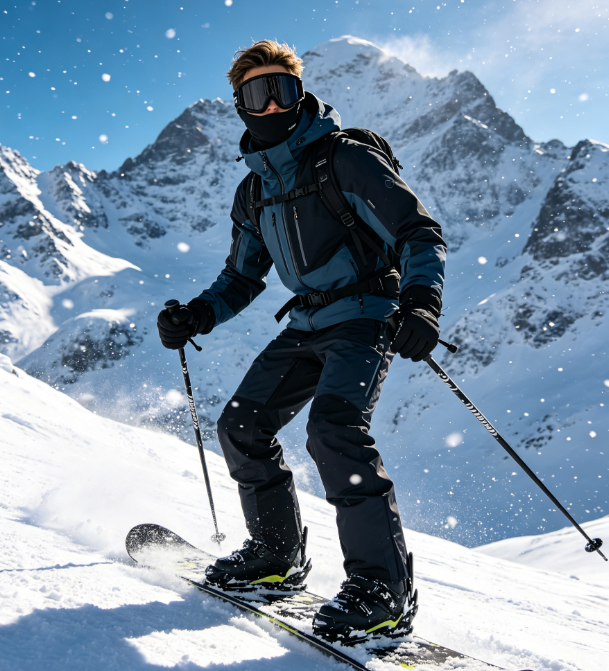
3.Extra Tips
If you have sufficient budget and love both skiing and other outdoor activities, you can get both. If you have a limited budget, choose based on your main activity scenarios: pick balaclava for multi-scene daily use, and choose ski mask for exclusive skiing use.
Ⅶ.FAQ
Q1: Can Balaclava and Ski Mask be used interchangeably?
A: It is not recommended. Though balaclavas can be worn for skiing, they lack professional anti-fog and anti-slip designs, which easily cause air leakage and goggle fogging and ruin your skiing experience. Ski masks are only suitable for snow sports; they look bulky for daily commuting and fail to cover the whole head with insufficient warmth.
Q2: Will wearing them affect breathing?
A: No. Standard styles are equipped with ventilation holes or one-way air valves, especially ski masks with more advanced breathable structures to ensure smooth breathing. It is advised to pick soft and breathable styles instead of inferior products without ventilation. Also do not wear them too tight to reserve enough breathing space for mouth and nose.
Q3: Are they suitable for kids? How to choose?
A: Yes, but kids-specific versions are a must. For children’s balaclavas, opt for soft and stretchy knitted ones to avoid head compression. For kids’ ski masks, choose tailored sizes made of soft EVA foam or elastic fabric that can bend freely for collision protection. Pick light tint lenses and ski masks with adjustable hook-and-loop headbands for easy wearing and fitting. Prioritize brands with safety certifications to prevent skin irritation caused by poor materials.
Q4: How to prevent goggles from fogging up?
A:
Choose styles with vents and one-way exhaust valves, preferably double-layered or mesh breathable professional designs.
Fit the upper edge closely against the bridge of the nose, press the edge with ski goggles and leave a small gap under the chin.
Avoid pure cotton materials which tend to freeze after absorbing moisture and worsen fogging.
Use professional anti-fog spray or wipes for ski goggles; never apply household cleaners that may damage lenses.
Lift the mask to take fresh air every 30 minutes to reduce internal moisture buildup.
Q5: Will washing damage warmth and windproof performance?
A: Proper cleaning causes no impact. Avoid machine washing, direct sunlight exposure, bleach and fabric softener. Hand wash and air dry naturally to fully retain fabric functions. Woolen balaclavas need professional dry cleaning instead of water washing to keep good heat retention.
Q6: Why is Balaclava linked with identity concealment? Is there anything to note?
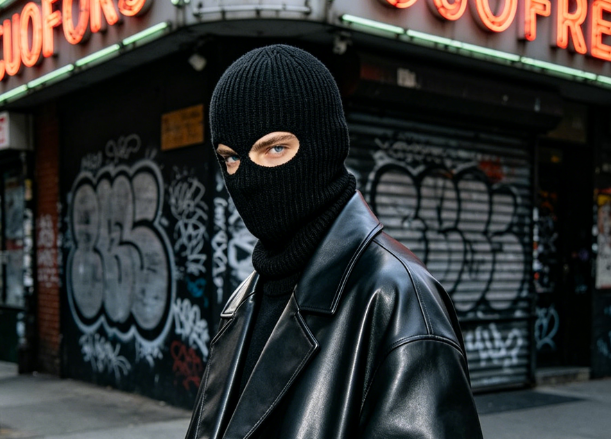
A: Since balaclavas can fully cover the face and only expose eyes, they are misassociated with bad behaviors used by lawbreakers to hide identities. There is no need to worry about daily wearing. As long as you use them legally for warmth, outdoor protection or fashion matching, there will be no problem. Follow local relevant regulations and avoid wearing full-face covered styles in crowded public places.
That’s the full comparison between Balaclava and Ski Mask. Hope it helps you get rid of choice difficulty and pick ideal winter warm protective gear! Feel free to leave your questions in the comment section.
Leave a Reply